
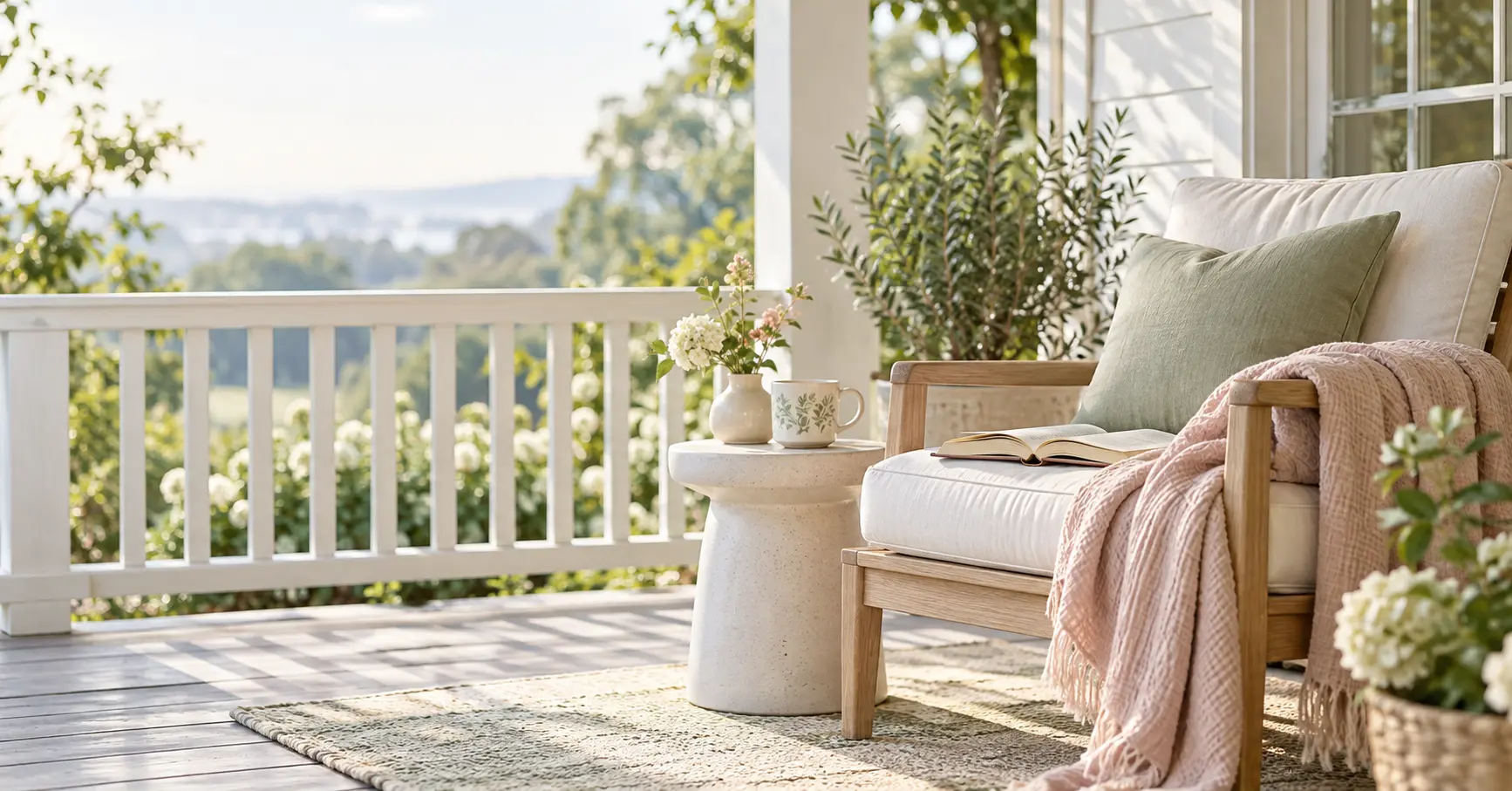
The Art of Slow Living: Simple Ways to Enjoy Everyday Life
What Is Slow Living?
Slow living is an approach to everyday life that encourages us to be more present, intentional, and aware of how we spend our time and attention.
The art of slow living is not about avoiding responsibilities or trying to make every part of life move slowly. It is about noticing more of what is already happening around us and making thoughtful choices about what deserves our energy.
For some, that might mean enjoying a quiet cup of coffee without checking a phone. For others, it could mean taking time to journal, preparing a meal without rushing, opening a window to notice the morning air, or simply giving full attention to a conversation.
In many ways, a slow living lifestyle is less about changing everything and more about becoming more aware of the life we are already living.
Slow Living Is Not About Doing Everything Slowly
The idea of slow living can sometimes sound unrealistic, especially when work, family, errands, and responsibilities continue moving at their usual pace.
But slow living does not require stepping away from a busy life.
Instead, it encourages us to be more intentional within it.
You can still have deadlines, busy days, and long to-do lists while creating small spaces where you are fully present.
Mindfulness can be part of this practice because it brings our attention back to what is happening in the present moment rather than allowing every moment to pass unnoticed. Harvard Health describes mindfulness as paying attention to what is happening in and around you from moment to moment.
This is one reason slow living and intentional living fit naturally together. Both encourage us to notice where our attention goes and to make choices that feel more aligned with what matters to us.
Simple Slow Living Practices for Everyday Life
You do not need to completely redesign your routine to begin practicing slow living.
Some of the most useful slow living tips are also the simplest:
- Begin part of your morning without immediately checking your phone.
- Sit down and enjoy a drink or meal without multitasking.
- Keep a journal nearby for thoughts, plans, or reflections.
- Spend a few minutes outside or near a window noticing your surroundings.
- Choose fewer things that you genuinely use and enjoy.
- Give yourself small moments between tasks instead of filling every pause.
- Make ordinary routines feel more pleasant with details you enjoy.
Create Small Rituals You Look Forward To
A ritual does not need to be complicated.
It could be making tea in a favorite mug, lighting a candle before journaling, folding a soft blanket over your chair at the end of the day, or taking a few quiet minutes before beginning work.
Small rituals create moments we can recognize and return to.
They can also help ordinary routines feel less automatic and more intentional.
Notice Your Surroundings
Slow living often begins with paying attention.
Notice the warmth of sunlight coming through a window, the scent of your coffee, the softness of a towel, the colors in your room, or the sounds outside.
These details can easily disappear into the background when we are rushing.
Being present does not require creating a perfect environment. It simply means giving ourselves enough attention to notice the one we are already in.
Choose What Deserves Your Time and Attention
One of the simplest slow living principles is becoming more selective about where our attention goes.
Not every task, notification, object, or invitation deserves the same amount of energy.
Sometimes intentional living means saying yes to something meaningful.
Sometimes it means choosing not to add one more thing.
Creating a little more space can make it easier to recognize what genuinely matters to us.
What Does Slow Living Look Like in Real Life?
| Area of Everyday Life | Slow Living Approach | Simple Example |
|---|---|---|
| Morning | Begin with intention | Enjoy breakfast before checking messages |
| Home | Create comfort without excess | Keep a few useful and meaningful pieces around you |
| Work | Focus on one thing at a time | Finish one task before opening another |
| Meals | Pay attention to the experience | Sit down and enjoy your food without scrolling |
| Rest | Allow quiet moments to remain quiet | Read, journal, stretch, or simply sit for a few minutes |
| Relationships | Give people your attention | Put the phone away during a conversation |
| Personal time | Choose activities that feel meaningful | Walk, create, read, cook, or spend time outdoors |
Bringing Slow Living Into Everyday Life
Slow living does not need to become another standard we have to meet.
There is no perfect slow morning, perfectly styled home, or ideal routine.
The goal is simply to create more opportunities to notice what we are doing while we are doing it.
That might mean slowing down for five minutes, appreciating something familiar, or choosing one meaningful thing instead of several distractions.
Gratitude can fit naturally into this way of living too. Research and resources from UC Berkeley’s Greater Good Science Center have explored how gratitude practices, including journaling, can help people notice positive experiences and develop a greater appreciation for everyday life.
Over time, these small choices can make everyday routines feel warmer, calmer, and more meaningful.
At Leeloo Living, that is what slow living means to us: not escaping everyday life, but noticing more of it.
What is slow living?
Slow living is an intentional approach to everyday life that encourages people to be more present, notice their surroundings, and make thoughtful choices about how they spend their time, attention, and energy.
What are some simple ways to practice slow living?
Slow living can include enjoying meals without distractions, creating small daily rituals, spending time outdoors, journaling, reducing unnecessary multitasking, noticing your surroundings, and choosing activities that feel meaningful.
Does slow living mean doing everything slowly?
No. Slow living is not about moving slowly all day. It is about being more intentional and present, even when life is busy.